
Name of the Asset | In-Between Marginality and Socially Constructed-Urban Survival (IBM-SCUS): Assessing the Potential of Local-Centric Models for Education, Health, and Welfare of Street-Connected Children in Kampala
Type of Asset | Research
Date | June 2026
DOI | 10.69814/wp/2026118
SUMMARY
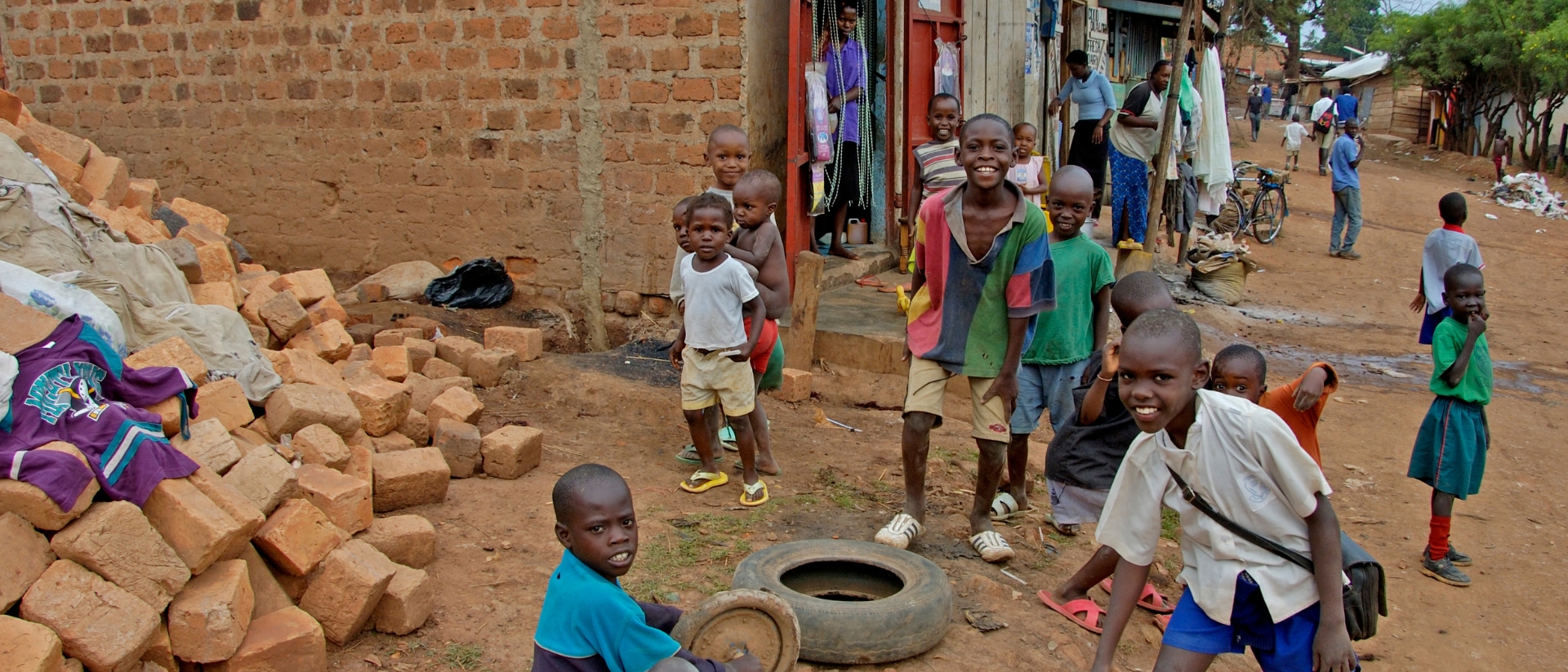
As rapid urbanization continues to define the 21st century, the phenomenon of children living on the streets is a global concern (Gao et al., 2018) The United Nations recent commentary on Children in Street Situations is a testament to the increased level of awareness of street children and the unwavering demand for respect, dignity and rights. The recognition of street children has been brought to light since the last three decades (30 years), mainly with efforts from the Consortium for Street Children (CSC) as the leading international network dedicated to realizing the rights of street children. Scholarly works have previously set out to understand street children through unpacking old myths and new realities while at the same time masking out research priorities to build a stronger base for advocacy, policy and program designs. Lately, street children have been revealed to be young people experiencing a multiple deprivation and “street-connectedness” whose everyday experiences and relationships being as much important as their numbers and characteristics (Weatherhill et al., 2023; Lyn et al., 2020; Urgessa & Dinaol Abeshu, 2023). For cities in Sub-Saharan Africa, the escalating urban poverty has been identified as the root cause of street children, with some having homes and families but survive by begging or casual work and many being deserted or orphaned and have no alternative but to live on the streets. Regional conflicts have also created a refugee crisis, resulting into enormous numbers of urban refugee families that in turn contribute to the rise of street kids especially in cities of refugee hosting countries. Street survival is precarious and with limited access to education or health, there is little hope for any meaningful future, exposing such young people to abuse and exploitation, while in Kampala, begging, prostitution and crime largely remains the only means for the street children to earn a living (Bunyan, 2021). Despite past efforts to document issues of street children, key issues still remain under explored including; participation of street children as informants and coresearchers, fragmentation of academic research in law, economics or public policy, with little socio-anthropological and geographical research and dissociation of research from the laws, interventions, policies and environments where street children are situated (Gao, et al.,2018). Our project differs from existing studies by offering opportunities to determine the context of street children across the city and evaluating locally grounded models for street children management, especially in access to education and health services as well as general welfare. The project did not only capture the socio-spatial variations in the lived experiences of street children but also assess interventions that are locational and specific to the environments within which children survive. Such evidence will offer opportunities for mobilizing a plethora of in/formal actors into a network that can be strengthened for meaningful dialogues that translate into actions, interventions, strategies, policies, and programs that target the street children problem in Kampala city.
AUTHOR | Jovia Nakato, Irene Mutesi Nakayenga
COUNTRY AND/OR REGION | Uganda
PROGRAMME | Global Development Awards Competition (GDAC)
FUNDER(S) | Ministry of Finance, Government of Japan through the World Bank


