
Name of the Asset | Assessing the Impacts of Climate-Smart Dual-Purpose Sorghum and Teff Crops Intervention on Food Security and Livelihood Sustainability of Agro-Pastoral Communities in Kenyan Drylands
Type of Asset | Research
Date | June 2026
DOI | 10.69814/wp/2026117
SUMMARY
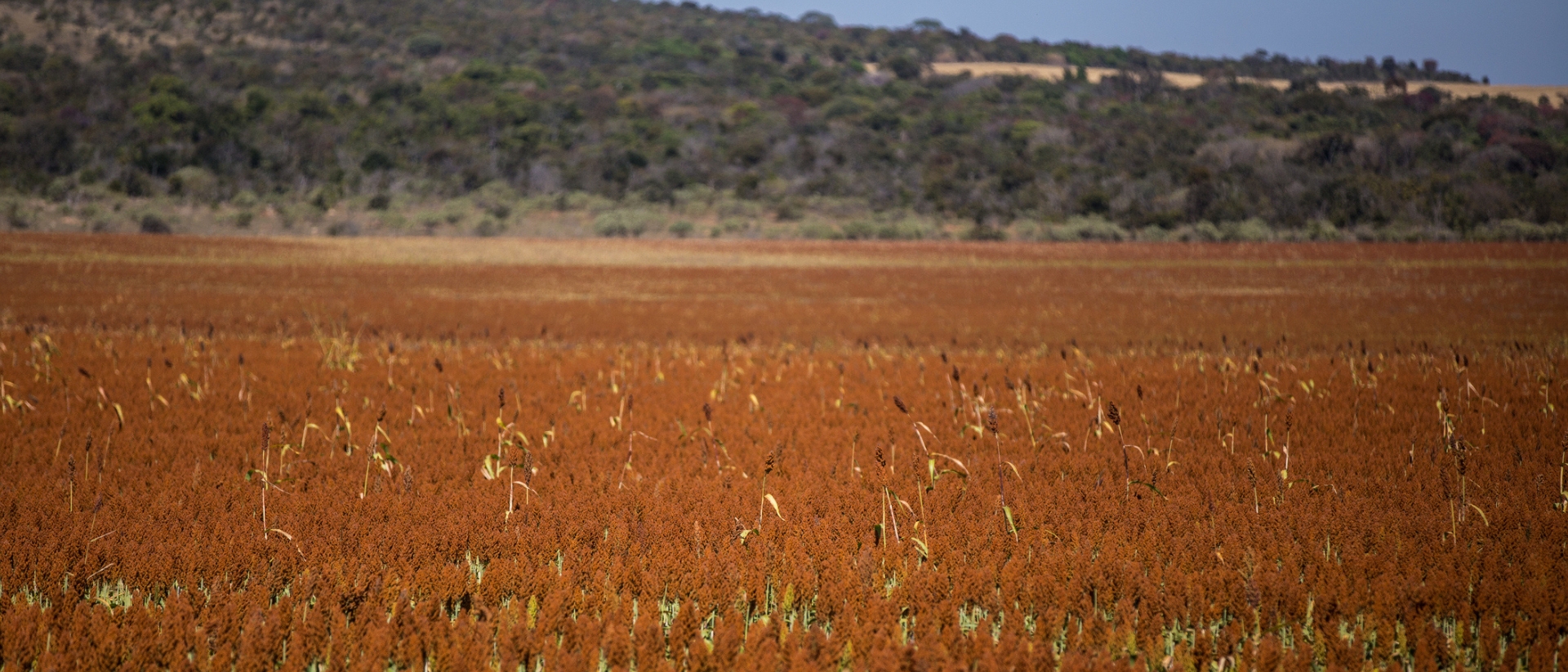
This study assessed the contributions of climate-smart dual-purpose sorghum and teff to food and feed security, livelihoods, and environmental sustainability for agro-pastoral communities in the Kiina, Burat, and Ngaremara wards of Isiolo County, Kenya, with a specific focus on the roles of women and youth in these communities. A mixed-methods approach, including household surveys, focus group discussions, and key informant interviews, was used to assess the impact of introducing climate-smart sorghum and teff varieties on food and feed security, livelihoods, production systems, and environmental sustainability in the study areas. Results show that the introduction and adoption of climate-smart dual-purpose sorghum and teff have significantly improved the availability of food and livestock feed for farming and herding communities, especially during the dry seasons. Sorghum has generated more income for farming communities than teff. While livestock herding practices have improved feed availability, the increase in livestock numbers threatens the sustainability of this feed source. Adoption of climate-smart agricultural practices for sorghum and teff cultivation is moderate. Farmers have adopted several practices, such as drip irrigation, improved seeds, and crop rotation, but still face challenges accessing water resources, agricultural extension services, and agricultural inputs. Women and youth are actively involved in cultivating these crops but face significant challenges in gaining access to agricultural land. The environmental sustainability of the agricultural systems used to grow these crops is generally positive but fragile due to climatic variations. The availability of water resources within the farming communities is the most limiting factor for the agricultural sustainability of these regions. For these crops and farming communities to sustain their beneficial environmental, agricultural, and economic contributions to the counties in which they are grown, there is a need to invest in improving the water systems within these regions, developing markets for their agricultural products, improving the inclusion of women and youth farmers in agricultural decision-making, and improving the agricultural extension services in these regions.
AUTHOR | Cynthia Wakhungu, Bolly Echesa, Pauline Owiti, Irene Kimeu
COUNTRY AND/OR REGION | Kenya
PROGRAMME | Global Development Awards Competition (GDAC)
FUNDER(S) | Ministry of Finance, Government of Japan through the World Bank


